

Table of Contents
- Key Takeaways
- Why Do Veneers Lose Their Brightness Over Time?
- How Do You Keep Your Veneers Bright Every Day?
- Which Foods and Drinks Cause the Most Discoloration?
- How Often Should Houston Patients See Their Dentist for Veneer Care?
- Habits to Avoid for Long-Lasting Veneers
- Frequently Asked Questions
- Small Habits, Big Impact on Your Smile
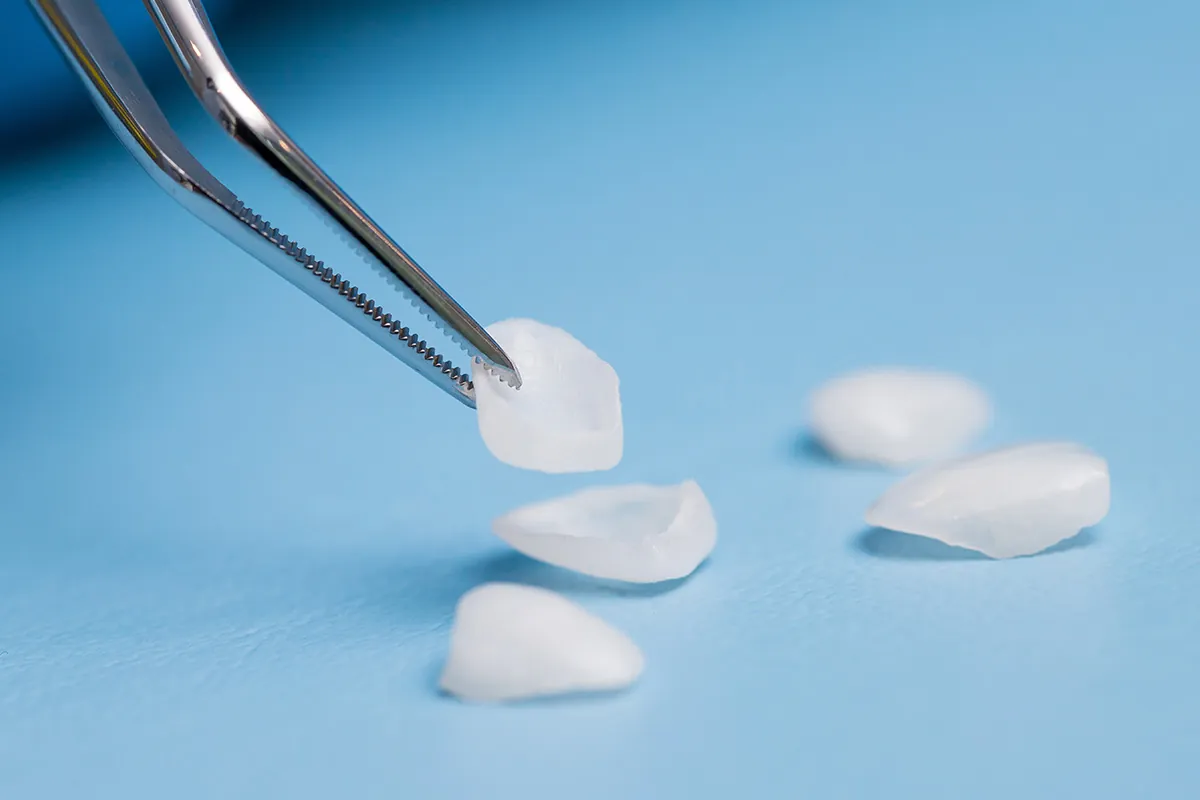
How do you keep veneers looking bright and new for years after they are placed? Many patients ask us, “How do I keep my veneers bright long-term?” The answer combines daily oral care, mindful eating habits, and consistent professional cleanings. Porcelain veneers are thin porcelain shells bonded to the front of natural teeth to improve color, shape, and alignment. Unlike natural enamel, porcelain veneers are highly stain-resistant, but they still respond to how they are cared for over time. The habits below give patients the best chance of getting the longest, brightest life from their investment.
Key Takeaways
- Porcelain veneers are stain-resistant but not entirely stain-proof.
- Daily brushing and flossing protect veneers the same way they protect natural teeth.
- Certain foods and drinks can dull the polish of veneers over time.
- Regular professional cleanings help preserve the brightness of your veneers.
- With proper care, most veneers stay bright and beautiful for 10 to 15 years or longer.
Why Do Veneers Lose Their Brightness Over Time?
Porcelain is one of the most stain-resistant materials in dentistry, which is why it is used for veneers in the first place. According to the American Academy of Cosmetic Dentistry, porcelain resists staining far better than natural enamel or composite bonding materials. Even so, veneers are not indestructible. The outer glaze of porcelain can be scratched or worn down over years of abrasive brushing, and the edges where veneers meet natural teeth or gums can pick up subtle discoloration from food and drink.
The bonding cement holding the veneer to the tooth can also darken slightly with time, especially near the gum line. Long-term brightness depends less on the veneer itself and more on the care habits around it.
How Do You Keep Your Veneers Bright Every Day?
Everyday care is the most important part of keeping veneers looking new. According to the American Dental Association, patients should brush twice a day with a soft-bristled toothbrush and a non-abrasive fluoride toothpaste. Whitening toothpastes with harsh polishing agents should be avoided because they can dull the surface of the porcelain over time.
Flossing daily protects the natural teeth around each veneer and prevents plaque buildup at the gum line. Some patients find that a water flosser like a Waterpik works well for cleaning the tight edges where veneers meet the gum tissue. Rinsing with an alcohol-free mouthwash adds another layer of protection without weakening the bonding materials.
Which Foods and Drinks Cause the Most Discoloration?
Certain foods and drinks are more likely to stain the enamel around veneers and the visible bonding line. The most common offenders include coffee, tea, red wine, dark cola drinks, dark berries, tomato-based sauces, heavily spiced foods, and any tobacco product.
Rinsing with water after these foods and drinks helps reduce their impact. Using a straw for coffee, tea, and cola limits direct contact with the front surfaces of teeth. Brushing about 30 minutes after eating gives enamel time to remineralize while still removing residue before it settles.
How Often Should Houston Patients See Their Dentist for Veneer Care?
For Houston patients with veneers, professional cleanings every six months are recommended in most cases. According to the American Dental Association’s 2026 guidance, veneer patients benefit from the same six-month schedule as everyone else, with slight adjustments for those who grind their teeth or have a history of gum disease. Professional cleanings remove buildup that home care cannot reach and give the dentist a chance to check for chips, cracks, or wear along the bonding line.
Habits to Avoid for Long-Lasting Veneers
- Chewing on hard objects like ice, pens, or fingernails.
- Using teeth as tools to open packages or containers.
- Grinding or clenching teeth at night without a night guard.
- Skipping regular dental cleanings and checkups.
- Using abrasive whitening products designed for natural teeth.
Frequently Asked Questions
Can veneers be whitened like natural teeth?
Professional whitening treatments do not lighten porcelain veneers because the color is baked into the ceramic during fabrication. If veneers become discolored around the edges, the discoloration is usually in the natural tooth or bonding material, and the veneer itself may need replacement.
How long do veneers stay bright with proper care?
With daily care and regular cleanings, most porcelain veneers stay bright for 10 to 15 years and sometimes longer. Patients who avoid heavy staining habits and clenching or grinding tend to see the longest lifespan from their investment.
What is the best toothpaste for veneers?
A non-abrasive fluoride toothpaste is the safest choice for veneers. Whitening toothpastes with harsh abrasives should generally be avoided because they can dull the porcelain surface over time.
Small Habits, Big Impact on Your Smile
Keeping your veneers bright for years takes consistent habits and regular professional care. Lava Dental provides committed, compassionate, and trusted care to families across Houston, and a quick consultation shows what your specific smile needs to stay bright in the long term.
If you want to learn more about protecting your investment in a bright smile, visit our Veneers in Houston, TX page or schedule a consultation.