

Table of Contents
- Key Takeaways
- What Is Dental Plaque and Why Does It Build Up So Fast?
- 1. Brush Twice a Day With Proper Technique
- 2. Floss Every Day, Not Just Sometimes
- 3. Add an Antimicrobial Mouthwash
- 4. Cut Back on Sugary and Starchy Snacks
- 5. Stay Consistent With Professional Teeth Cleanings
- How Often Should Houston Patients Get a Professional Cleaning?
- Frequently Asked Questions
- Small Steps, Big Difference for Your Smile
What are the most effective ways to keep plaque from building up between dental cleanings? Plaque is a soft, sticky film of bacteria that forms on teeth throughout the day and, if not removed, hardens into tartar within 24 to 72 hours. Once plaque hardens, only a dental hygienist can remove it. The best prevention comes from a few everyday habits combined with regular teeth cleaning visits.
Key Takeaways
- Plaque begins forming on teeth within hours of brushing and hardens into tartar in 24 to 72 hours.
- According to the American Dental Association, brushing for two minutes twice a day removes most surface plaque.
- Daily flossing is one of the biggest factors in keeping plaque from building up between teeth.
- An antimicrobial mouthwash adds an extra layer of defense against bacteria.
- Consistent professional teeth cleanings prevent hardened plaque from becoming a bigger problem.
What Is Dental Plaque and Why Does It Build Up So Fast?
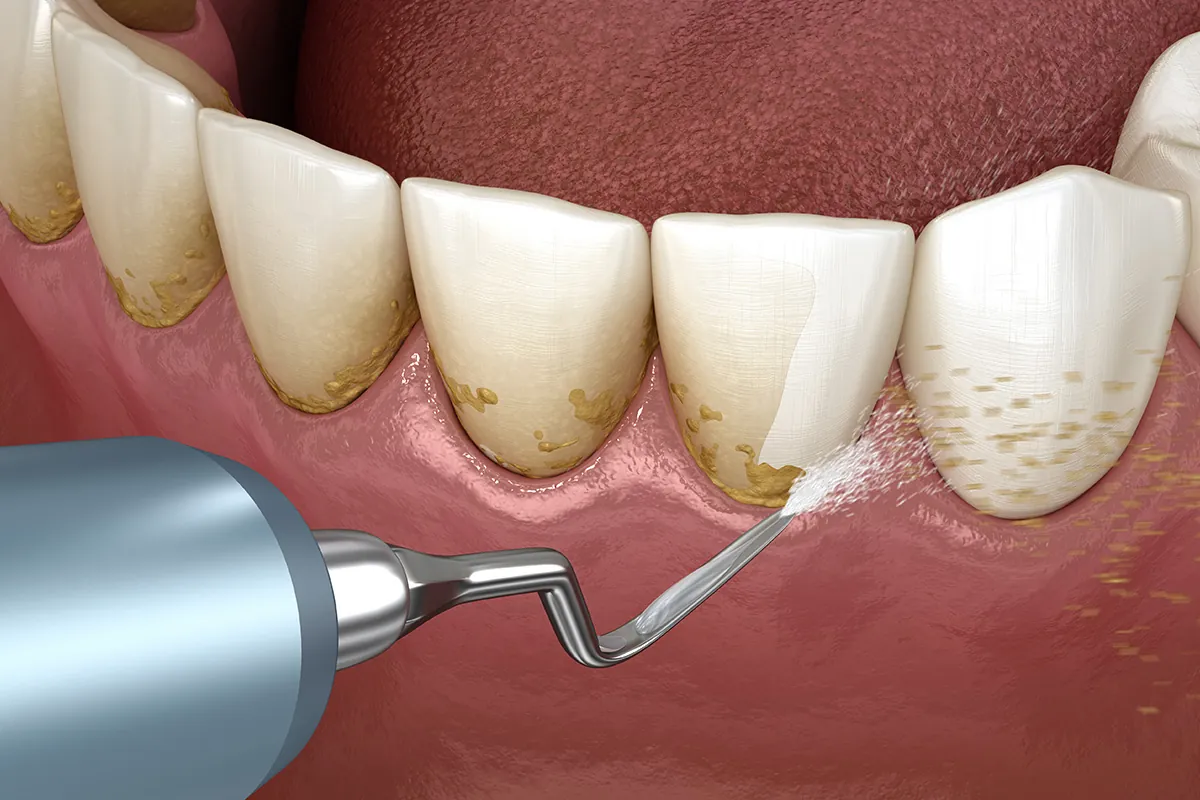
Dental plaque is a bacterial biofilm that forms naturally on the surface of teeth every day. Every meal or drink feeds the bacteria in the mouth, and those bacteria produce acids and sticky compounds that hold onto tooth enamel. According to the American Dental Association’s 2026 guidance, plaque begins forming within hours of a cleaning and continues to build whenever teeth are not brushed effectively.
When plaque remains on teeth for 24 to 72 hours or more, it begins to mineralize into tartar. Tartar cannot be brushed away. Only a dental hygienist can remove it, which is why professional cleanings are recommended twice a year. Left unchecked, that buildup is also the first step toward gum disease.
1. Brush Twice a Day With Proper Technique
Brushing removes most of the plaque that forms on the front, back, and top surfaces of your teeth. According to the American Dental Association, brushing for two minutes twice a day removes about 60 percent of surface plaque when done correctly. Use a soft-bristled toothbrush, hold it at a 45-degree angle to the gum line, and use gentle circular motions rather than hard back-and-forth scrubbing.
Electric toothbrushes tend to remove more plaque than manual brushes, especially models with a built-in timer and pressure sensor. Whichever brush you use, technique matters more than force, since harder scrubbing does not remove more plaque and can damage gum tissue.
2. Floss Every Day, Not Just Sometimes
About 40 percent of tooth surfaces are between the teeth, where a toothbrush cannot reach. Flossing is the only way to consistently remove plaque from those spaces, and skipping it lets bacteria build up in the very spots where cavities and gum disease are most likely to start.
If traditional floss feels awkward, floss picks and water flossers work well too. A water flosser like a Waterpik is especially useful for anyone with braces, bridges, or dental implants.
3. Add an Antimicrobial Mouthwash
Rinsing with a mouthwash that contains active antimicrobial ingredients kills bacteria that brushing and flossing might miss. Look for products with the ADA Seal of Acceptance to confirm the mouthwash has been tested and shown effective. Cosmetic mouthwashes only mask bad breath and do little to reduce plaque.
4. Cut Back on Sugary and Starchy Snacks
Bacteria in the mouth feed on sugars and refined starches, and they multiply quickly whenever those foods are available. Frequent snacking is especially harmful because it keeps teeth exposed to sugar acids throughout the day. Sticky foods, dried fruits, and candy that lingers in the mouth are the worst offenders. Drinking water after meals rinses away food particles and helps reset the pH balance in your mouth.
5. Stay Consistent With Professional Teeth Cleanings
Even with excellent home care, some plaque will harden into tartar over time. Professional cleanings remove that buildup and give the dentist a chance to spot early signs of decay or gum inflammation during your routine dental exam. Most adults benefit from a cleaning every six months, and patients with a history of gum disease may need more frequent visits.
How Often Should Houston Patients Get a Professional Cleaning?
For most Houston patients, a cleaning every six months provides the right balance between at-home care and professional attention. Patients with braces, dental implants, or a history of gum disease may benefit from cleanings every three to four months to keep plaque under control.
Frequently Asked Questions
How can I tell if I have plaque buildup?
Plaque feels like a fuzzy or sticky film on your teeth, especially near the gum line and between teeth. If you can feel roughness on your teeth even shortly after brushing, that is a sign that plaque is present and starting to harden into tartar.
What is the difference between plaque and tartar?
Plaque is a soft bacterial film that can be removed by brushing and flossing, while tartar is hardened plaque that only a dental hygienist can remove. Once plaque mineralizes into tartar, home care can no longer address it, which is why regular professional cleanings matter.
Does mouthwash replace flossing?
Mouthwash is a helpful addition to a daily routine, but it does not replace flossing. Flossing physically removes plaque and food debris from the tight spaces between teeth, while mouthwash rinses the surface but cannot consistently reach the same areas.
Small Steps, Big Difference for Your Smile
Keeping plaque from building up is one of the most cost-effective ways to protect your teeth for life. A few minutes of daily brushing and flossing, combined with an antimicrobial mouthwash and regular professional teeth cleaning, prevents most of the dental problems that start with plaque buildup. Lava Dental delivers committed, compassionate, and trusted care to families across the area, and a short consultation shows what your smile needs to stay healthy.
If you want to learn more about protecting your smile from plaque, visit our Teeth Cleaning in Houston, TX page or schedule a consultation.