

Table of Contents
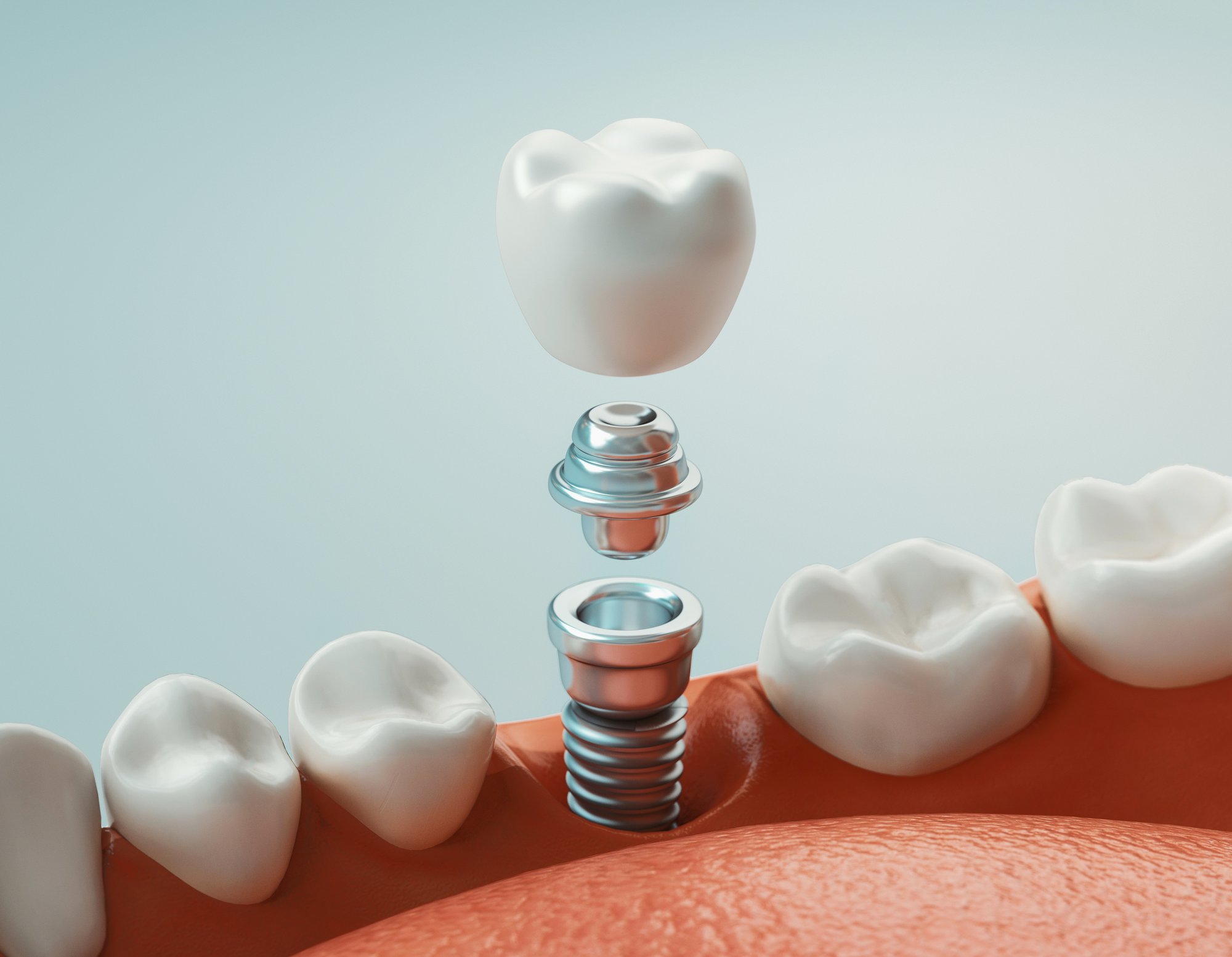
Will I ever need to replace my implant once it is in place? For most people, the titanium post itself can last a lifetime, while the crown on top may need replacing after many years. A dental implant is a titanium post set into the jaw, topped by a connector and a lifelike crown. Because the crown takes all the chewing force, it wears faster than the post that anchors your dental implant. So the honest answer is that the implant itself rarely needs replacing, though the crown occasionally does.
Key Takeaways
- The implant post is exceptionally durable and can last decades or a lifetime. It fuses with the jawbone for a stable foundation.
- The crown on top wears faster and may need replacing after ten to fifteen years. It absorbs all the chewing force.
- In most cases, a new crown can be attached to the existing post without disturbing it. That keeps future repairs simpler and more affordable.
- Studies show implants survive at very high rates over ten years and beyond. Long-term follow-up keeps them healthy.
- Daily cleaning, checkups, and protecting against grinding extend an implant’s life. Good habits protect the whole restoration.
Will I Ever Need to Replace My Implant?
The implant post is built to go the distance. According to a 20-year meta-analysis of implant studies, dental implants survive at rates above 90 percent at ten years, with about four in five still successful at twenty years. That kind of durability means the post itself rarely needs replacing. Ongoing follow-up, though, remains important long after placement.
The Implant vs. the Crown
It helps to picture an implant as two parts with different lifespans. The titanium post acts like a tooth root and can last for decades once it fuses with the bone. The crown on top is the visible tooth, and because it does all the chewing, it wears down sooner. Replacing a worn crown usually does not disturb the post underneath.
How Long Does an Implant Crown Last?
Most implant crowns hold up well for many years. With good care, they typically last 10 to 15 years before wear, chips, or a loose fit calls for a replacement. Grinding, hard foods, and the crown’s location in the mouth all influence how quickly it ages. When the time comes, a fresh crown can usually be fitted onto the existing post.
What Causes an Implant to Fail?
True implant failure is uncommon, and most implants placed today go on to serve their owners for decades. Still, a handful of factors quietly raise the risk, and knowing them makes the difference. Watch out for these:
- Gum Infection. Peri-implantitis inflames the gum and bone that support the implant. This infection is a leading cause of implant loss over time.
- Poor Hygiene. Skipping daily cleaning lets bacteria build up around the post. That invites infection and bone loss.
- Smoking. Smoking slows healing and weakens the gum and bone. It measurably raises the risk of failure.
- Grinding. Unchecked clenching overloads the implant and crown. A night guard helps take off the pressure.
- Uncontrolled Illness. Poorly managed conditions like diabetes can hinder healing. Stable health supports a lasting implant.
How Do You Make an Implant Last?
Protecting an implant is a lot like caring for a natural tooth. Brush twice a day, clean around the implant, and keep up with checkups so problems get caught early. If you grind, a night guard shields both the crown and the post. These simple habits are what turn an implant into a lifelong replacement.
Frequently Asked Questions
Do dental implants ever need to be replaced?
The post itself very rarely does, since it fuses with the bone and can last a lifetime. The crown on top is what may need replacing after many years of use.
Can the crown be replaced without removing the implant?
In most cases, yes, a new crown is simply attached to the existing post. That makes the repair quicker, easier, and less costly.
What is the most common reason an implant fails?
Gum infection around the implant, called peri-implantitis, is a leading cause. Consistent home cleaning and routine visits are the strongest prevention.
Can a Failing Implant Be Saved?
Caught early, many struggling implants can be rescued. If gum inflammation is the issue, a deep cleaning and better home care often turn things around. More advanced cases may need treatment of the gum and bone to stabilize the implant. The sooner a warning sign is checked, the better the odds of keeping it.
Built to Go the Distance
For the vast majority of people, the implant post is a one-time investment that can last a lifetime. A new crown may be needed somewhere down the road, but the implant beneath it usually stays put for good. With steady care and regular checkups, a dental implant can keep your smile complete for decades.
If you want to learn more about how long an implant lasts and when it might need to be replaced, visit our Dental Implants in Houston, TX page or schedule a consultation.