

Table of Contents
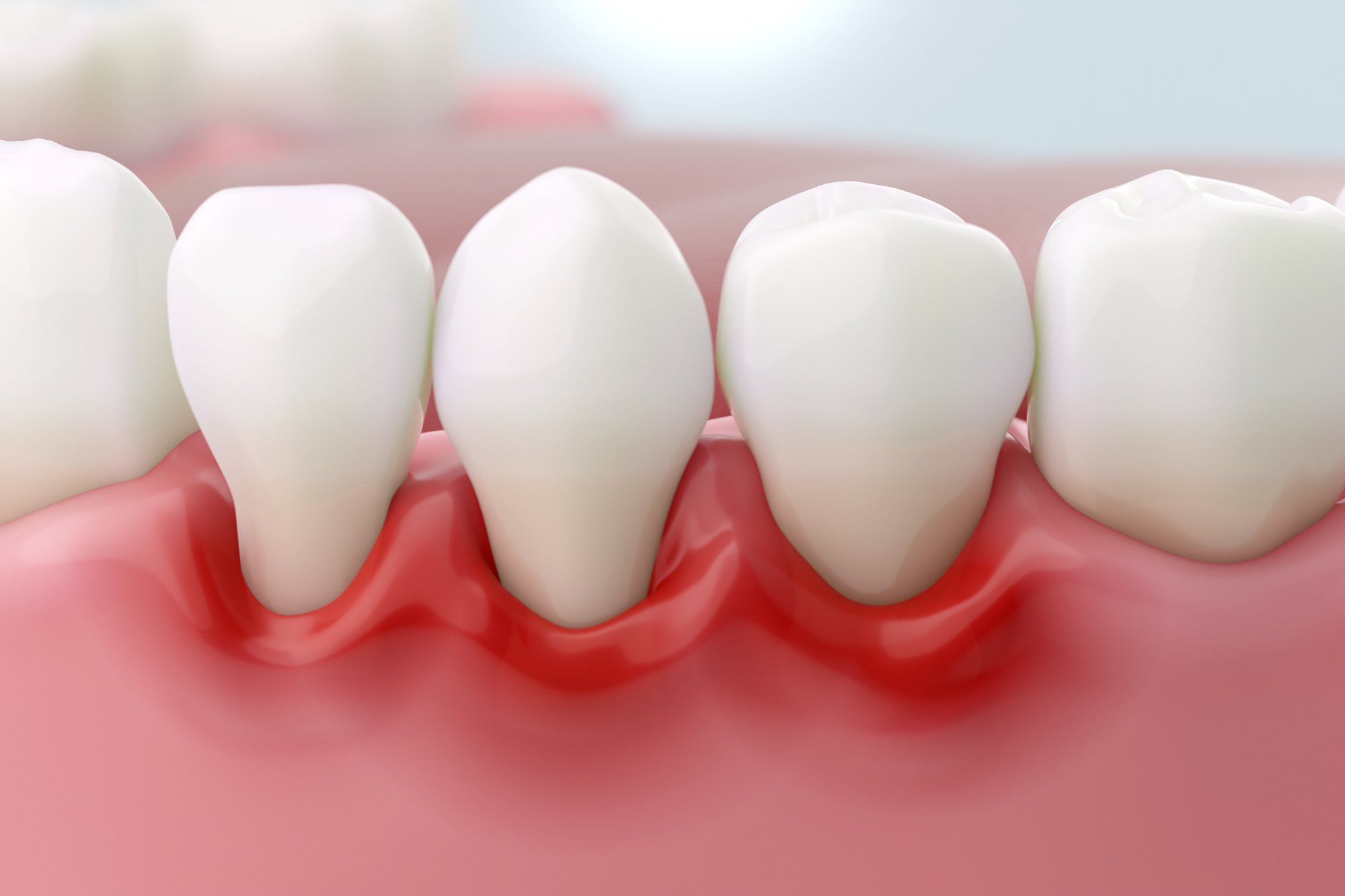
See a little pink in the sink when you brush? Puffy bleeding gums are one of the most common early signs of gum disease. Gum disease, or periodontal disease, is an inflammation and an infection of the gum tissue, driven by plaque along the gumline. Periodontal therapy treats the problem early, before it can harm the bone that anchors your teeth. It is worth acting on before your next walk along Buffalo Bayou Park.
Key Takeaways
- Puffy, bleeding gums are usually the first sign of gingivitis. This early stage is common and reversible.
- Plaque buildup along the gumline is the main cause. Healthy gums are firm, pink, and do not bleed.
- Left untreated, gingivitis can advance to periodontitis. That stage can damage bone and loosen teeth.
- Better brushing, flossing, and cleanings often reverse early gum disease. Early action keeps treatment simple.
- Bleeding that lasts more than two weeks deserves a dental visit. Our team can pinpoint the cause and treat it.
What Do Puffy, Bleeding Gums Mean?
Most of the time, they point to gingivitis, the earliest stage of gum disease. The Mayo Clinic notes that gingivitis causes red, swollen, tender gums that may bleed during normal hygiene tasks, especially when you brush. It happens when plaque accumulates along the gumline and irritates the tissue. The encouraging part is that this early stage is usually reversible.
Healthy gums are firm and pink and stay put when you brush. Puffy, red gums that bleed are your body signaling inflammation. Listening to that signal early makes all the difference. Gums rarely fix themselves once inflammation sets in. A little attention now prevents a bigger problem later. The earlier you act, the simpler the fix. Waiting rarely makes gum problems better. A short visit can save you a lot of trouble later. Strong gums are the base every healthy mouth needs. Caring for them shields your teeth as well, so the whole smile stays sound and comfortable.
What Causes Gums to Bleed and Swell?
Plaque is the usual culprit. When it is not cleaned away, it hardens into tartar and inflames the gums. Skipping flossing, smoking, and certain health conditions can make it worse. Hormonal changes and some medications can also leave gums more tender.
Bleeding is not something to brush aside or ignore. It is a clear sign the gums are irritated and in need of attention. Identifying the exact cause is the first step toward calming them down again. Sometimes better flossing is all it takes. Other times a professional cleaning is needed to reset things. Our team will help you figure out which applies to you.
Can Bleeding Gums Heal on Their Own?
Mild cases often improve with better daily habits. Brushing twice a day, flossing, and a professional cleaning can reverse early gingivitis. Because there is no bone loss yet, the gums can bounce back fully. The key is acting before the problem moves deeper.
If bleeding lasts more than two weeks, it is time to see us. Lingering symptoms can mean the disease is advancing. Periodontal therapy stops it before it reaches the bone. Once bone is lost, it does not grow back on its own. That is why timing matters so much with gum disease. Acting during the early stage keeps everything reversible.
What Does Gum Disease Treatment Look Like?
The right treatment depends on how advanced things have become. Caught at the gingivitis stage, it often resolves with a professional cleaning and stronger daily habits. Deeper cases call for scaling and root planing, a careful cleaning beneath the gumline. That step clears out bacteria your brush and floss simply cannot reach.
Our dental team tailors periodontal therapy to your specific gums and shows you simple habits to keep the problem from returning. The goal is healthy gums that support your teeth for life. Follow-ups are usually scheduled to make sure gums are staying calm. Steady home care between visits does most of the work. Together, those habits keep the disease from coming back for good.
Are Bleeding Gums Always Serious?
Usually not an emergency, but they should never be ignored. Bleeding is often early gum disease, which is easy to treat when caught soon. Left alone, it can quietly advance to a stage that affects bone.
Why Do My Gums Bleed When I Brush?
Most often, it is plaque irritating the gumline. Gentle, consistent brushing and flossing usually help, but lingering bleeding needs a checkup. Switching to a soft-bristled brush is a good first step.
Can I Reverse Gum Disease at Home?
Early gingivitis can improve with good home care. Once it advances, though, you need professional treatment to stop it. A cleaning below the gumline reaches what brushing cannot.
Take Puffy, Bleeding Gums Seriously
So, what do puffy bleeding gums mean, really? Most often, they are an early, reversible warning sign that your gums need care. Periodontal therapy treats gum disease at its roots and helps you keep it from coming back. A short visit now can save you from bigger problems later.
If you want to learn more about what puffy bleeding gums mean, visit our Periodontal Therapy in Houston, TX page or schedule a consultation.